International Breaks Reshaping Domestic Football Betting Odds Across Leagues
Written by Avery Weber · Aug 25, 2026
International Breaks Reshaping Domestic Football Betting Odds Across Leagues
International breaks interrupt domestic football schedules when national teams compete in qualifiers and friendlies, which forces clubs to release key players and creates measurable shifts in team performance data that bookmakers track closely for odds adjustments. These pauses typically last one or two weeks and occur several times each season, including periods around August 2026 when leagues resume after summer tournaments.
Player Availability Changes Domestic Form Patterns
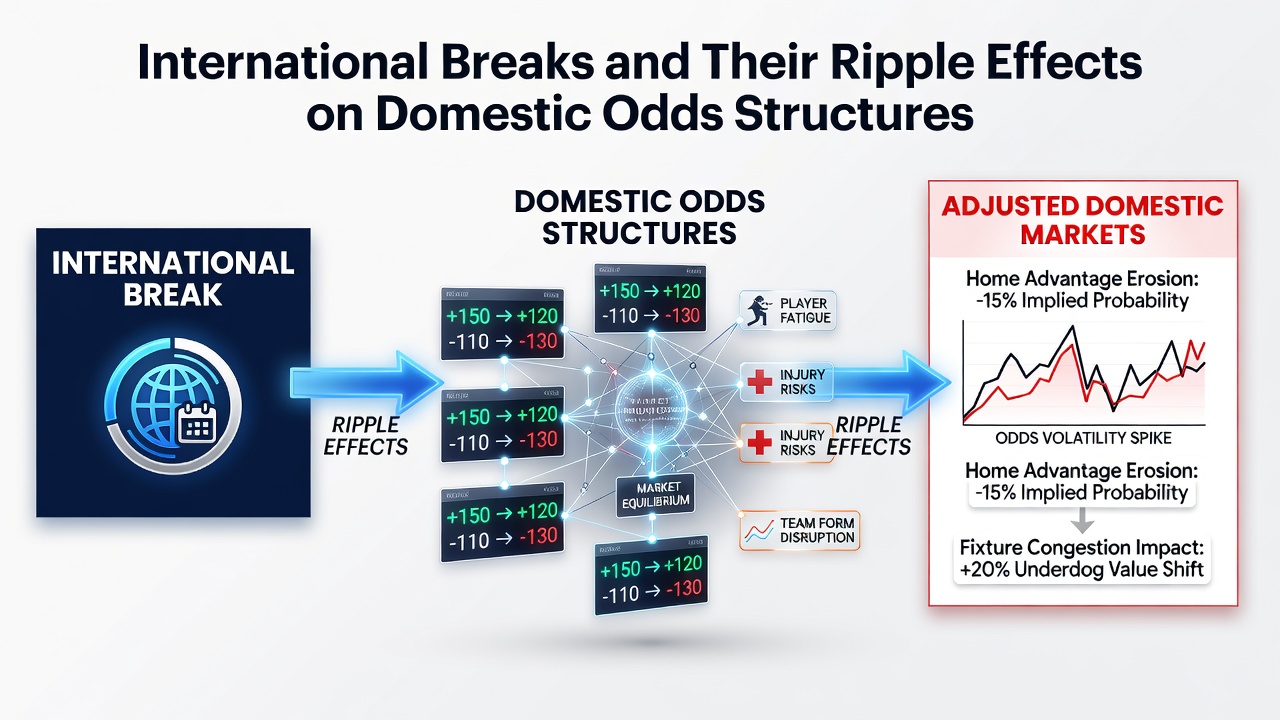
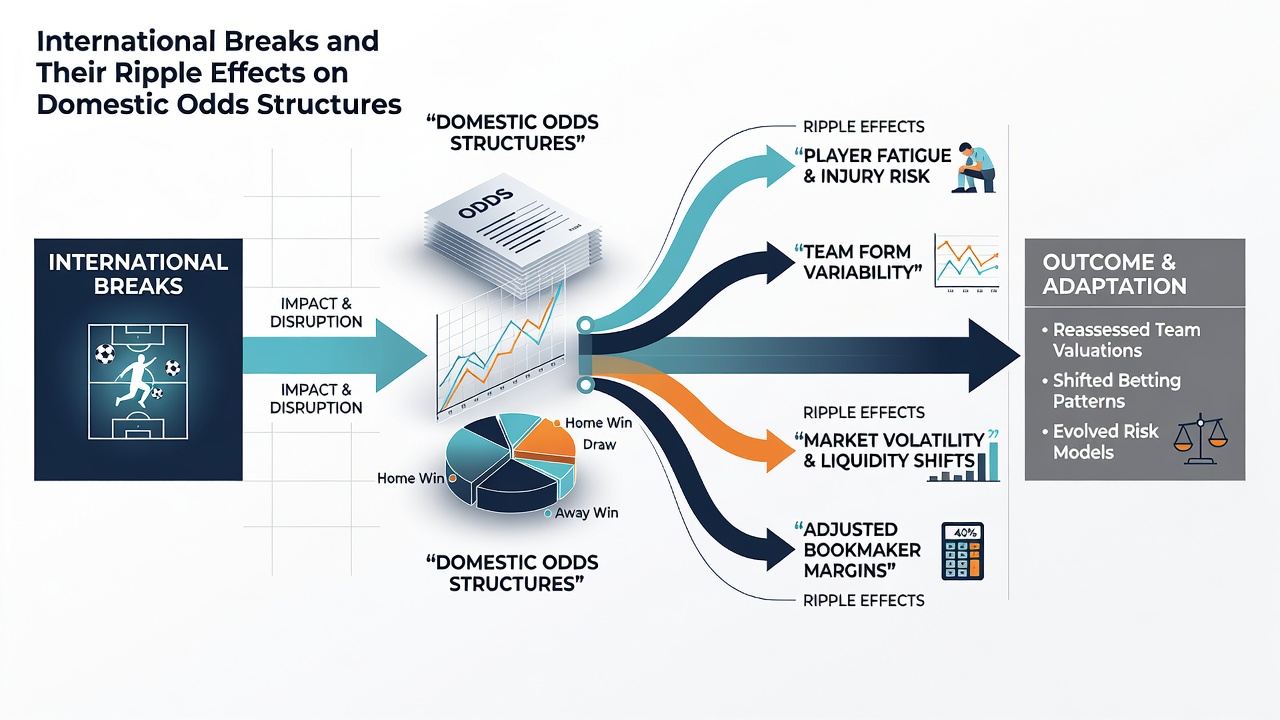
Clubs lose star players to international duty, and this absence alters squad depth and tactical options in the matches immediately before and after breaks. Data from major European leagues shows teams often record different results when missing multiple starters, with win rates dropping in post-break fixtures according to performance tracking systems used by analysts. Bookmakers incorporate these historical trends into pre-match lines, which leads to adjusted probabilities for home and away outcomes as well as goal totals.
Travel demands and recovery timelines further influence player readiness upon return, since long-haul flights and match intensity at national level add fatigue that clubs must manage. Observers note that midfielders and forwards who log high minutes during breaks frequently show reduced sprint distances in their first club game back, a metric that betting markets reflect through modified over-under lines.
Bookmaker Adjustments to Odds Structures
Operators monitor international call-up lists and injury reports to recalibrate domestic odds, because missing players create imbalances that affect expected goal outputs and defensive stability. In the Premier League and Bundesliga, for instance, teams with several starters away see their match odds lengthen or shorten based on substitute quality and recent results in similar situations. This process relies on statistical models that weigh historical break data against current form, and the adjustments appear in both pre-match and in-play offerings.
Market liquidity also shifts during these periods, since bettors focus on upcoming club fixtures that carry new variables. Research from UEFA player workload reports highlights how congested calendars amplify these effects, prompting oddsmakers to widen margins on certain selections until lineups stabilize.
Fatigue Metrics and Injury Correlations
Studies tracking GPS data and medical records indicate elevated soft-tissue injury risks for players returning from international duty, which influences squad selection and therefore betting lines on total goals and clean sheets. Teams that rotate heavily before breaks often maintain better results afterward, while those relying on the same core group experience dips that markets price accordingly. August 2026 fixtures following the latest international window provide fresh datasets for these correlations, as leagues compile statistics on recovery patterns.
Academic papers from institutions such as the University of South Australia examine how workload spikes during breaks translate into measurable performance declines, and these findings feed into the algorithms that shape domestic odds. Bookmakers integrate such evidence to refine their models, which results in more precise pricing on player props and team totals once squads reconvene.
Market Reactions Across Different Leagues
Lower-profile leagues experience similar disruptions yet with varying degrees of odds movement, because squad depth differences and fixture congestion levels differ by region. In Serie A and La Liga, for example, clubs with strong benches absorb absences more effectively, which limits the scale of line adjustments compared to leagues where star reliance runs higher. Bettors who track these league-specific patterns find opportunities in markets that react slower to international break data.
Regulatory bodies in multiple jurisdictions, including reports from the Nevada Gaming Control Board, document how sportsbooks update their offerings in response to external factors like national team schedules. These updates maintain market integrity while reflecting the latest available information on player fitness and team news.
Conclusion
International breaks generate cascading effects on domestic football that extend from player welfare to betting market structures, and the data collected from each window refines future odds calculations. Leagues continue to schedule around these interruptions, while bookmakers apply evolving statistical inputs to keep lines aligned with observed outcomes. The patterns established through repeated cycles provide consistent reference points for understanding how national team commitments reshape club competition dynamics.